Limbers are traditional Puerto Rican frozen treats, similar to popsicles, made from fruit
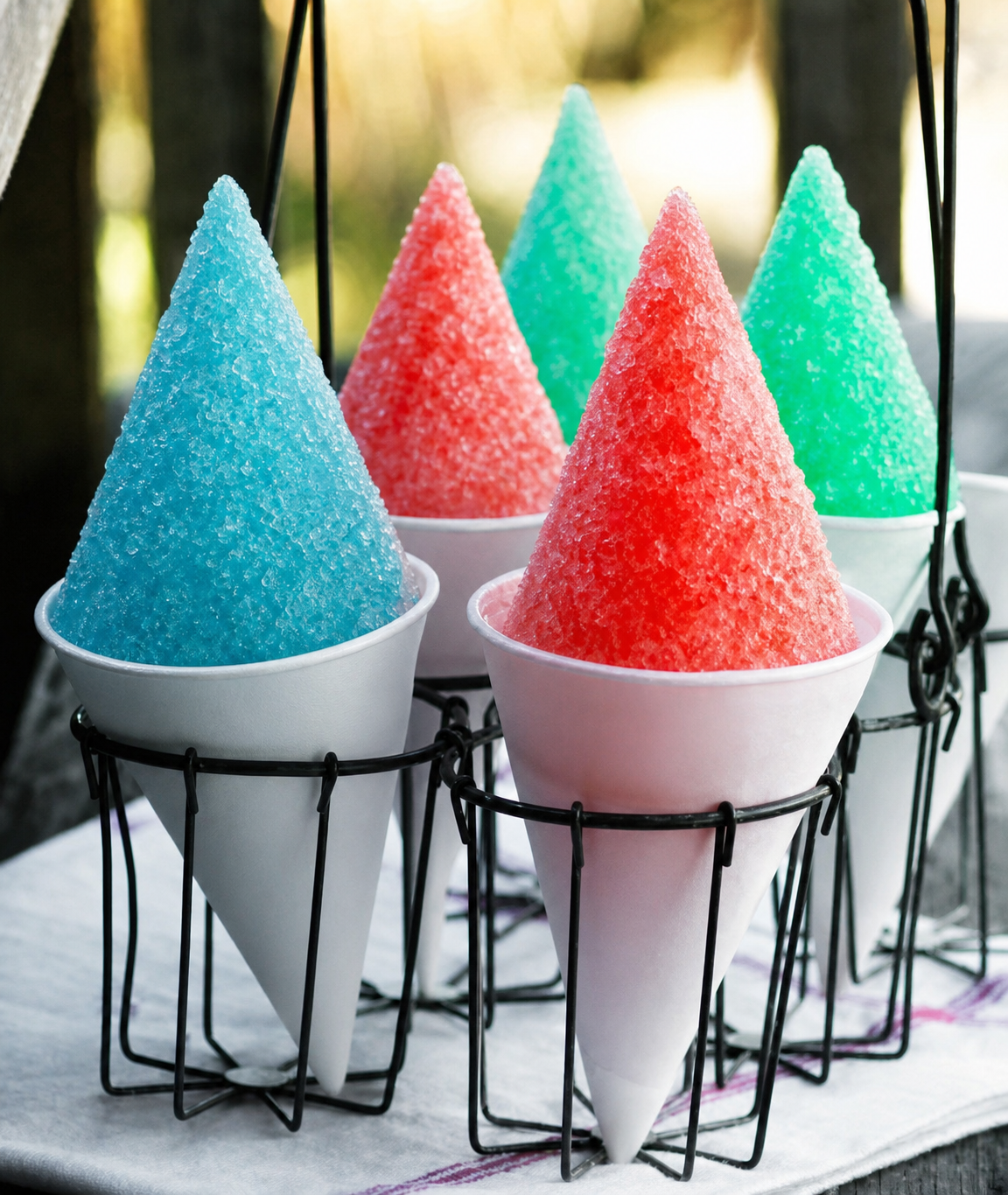
juices and purées. Piraguas, on the other hand, are hand-shaved ice cones topped with
flavored syrups. Both desserts are beloved for their refreshing qualities, especially on
hot days.
Piraguas
Hand-Shaved, Hand-Shaped
Real block ice, hand-shaved to order and packed into the tall, pointed cone that's
true to a real piragüero cart — never a round scoop from a machine. Topped with
natural, house-made fruit syrups for a taste that's authentically Puerto Rican.
Limbers
Made From Real Fruit
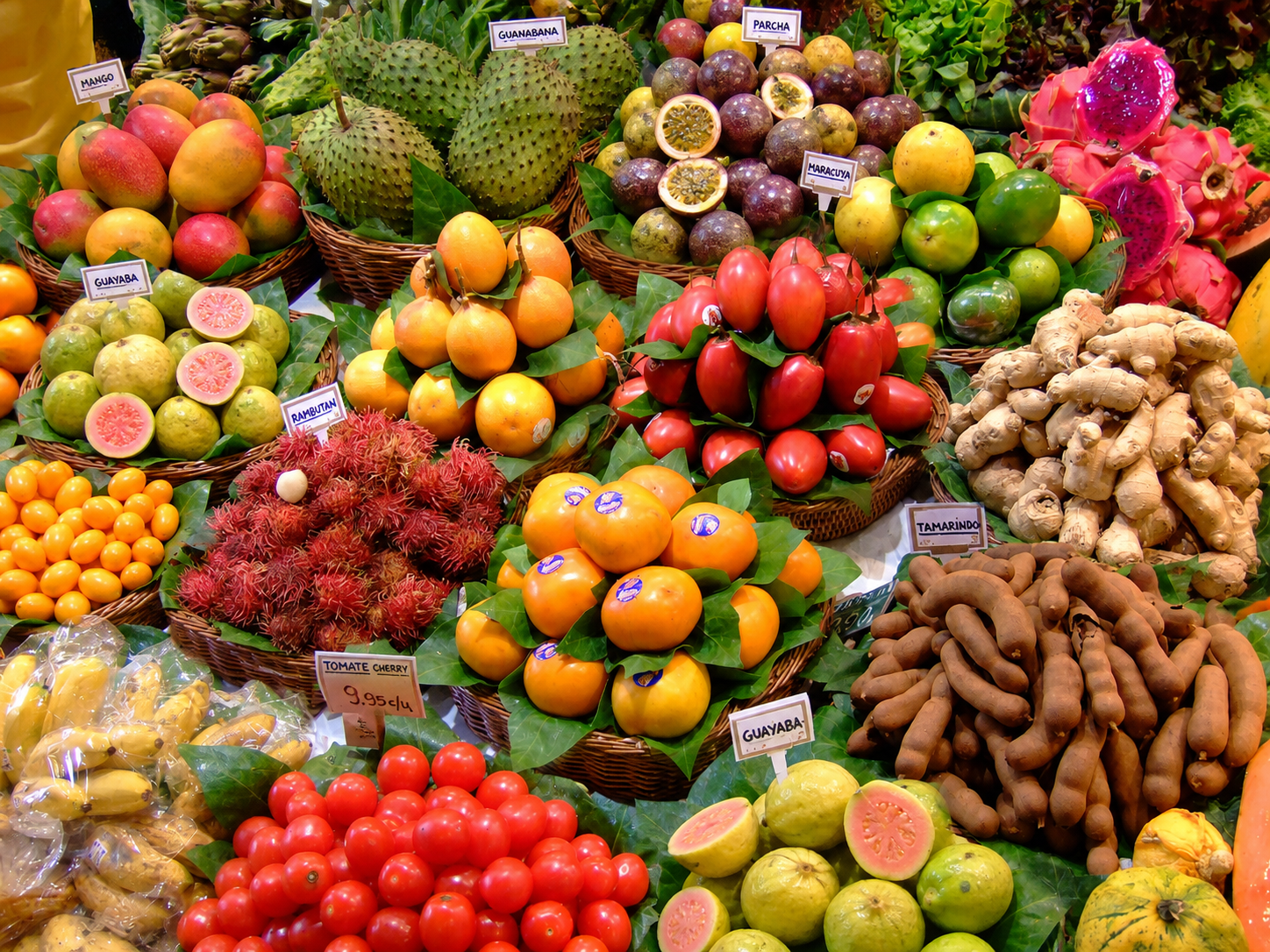
Guanábana, parcha, guayaba, mango, and more — our limbers start with real fruit juices
and purées, frozen the traditional way in a small cup, no stick required, just like
the limbers you remember from home.
A PIECE OF ISLAND HISTORY
The Lindbergh Story Behind Puerto Rico's "Limber"
The Puerto Rican frozen dessert known as limber is a beloved summer treat made from
fruit juices, coconut milk, or other mixtures, frozen in small cups and eaten by
squeezing and licking. Its name is widely believed to come from Charles A. Lindbergh,
the famous American aviator who completed the first solo transatlantic flight in 1927.
San Juan, 1928
The Lindbergh Connection
According to local lore, Lindbergh visited Puerto Rico in 1928 — on his 26th birthday —
after his historic flight. While in San Juan, the tropical heat was intense, and locals
offered him a frozen fruit juice in a small cup to cool him off. He enjoyed it, and the
treat became a talking point. Some stories say that because he was so cold, people
couldn't think of a name for it, so they called it "limber" after his surname,
phonetically adapting "Lindbergh" into Spanish pronunciation. Others suggest the name
came from the Spanish word for "cold" (frío), with "frío como Lindbergh" meaning "as
cold as Lindbergh."
"Frío como Lindbergh" — as cold as Lindbergh.
Cultural Significance
The limber became a staple in Puerto Rican culture, often sold from roadside stands,
gas stations, or home vendors. It's made with fresh, local ingredients and comes in
flavors like coconut, passionfruit (parcha), tamarind, pineapple, mango, and grape.
The tradition has spread beyond Puerto Rico to areas with large Puerto Rican
communities, such as New York, Florida, and Massachusetts.
Why the Name Stuck
The story of Lindbergh's visit is part of Puerto Rico's oral history and is often
shared in family kitchens and street food stalls. While the exact origin may be
debated, the Lindbergh connection is a cherished part of the dessert's identity,
linking it to a moment of cultural exchange between the U.S. and Puerto Rico in the
early 20th century.
In short, limber is more than just a frozen treat — it's a piece of Puerto Rican
culinary history, with a name that honors one of the most famous aviators of the
20th century.
Two treats, one island tradition — served fresh at El Colibrí.